Oman Research Visa: Separate Entry Permission From Research Approval
How visiting researchers can organise a local host, subject-specific approvals and fieldwork plans before travelling to Oman.

In this guide · jump to a section
A research visit can involve more than entering a country and meeting a university colleague. Interviews, access to institutional data, specialist equipment or fieldwork may require approvals separate from the immigration document. Oman's research visa is therefore best planned together with the local host and the people responsible for the proposed research activity.
A researcher based at a Gulf university should describe the project accurately from the start. An invitation to present findings and a plan to collect new data are different activities, even if both fit within an academic trip.
Establish the local institution's role
The government portal identifies a research visa service for visiting Oman to present research at a local institution. The ROP's detailed Arabic guidance describes a request by a competent local entity under its responsibility, with approvals from relevant government bodies according to the research type.
Ask the host to identify the office handling the visa and the office approving the research. They may be different. Keep a written project summary that names the purpose, proposed sites, expected dates and people involved. This is a useful coordination document; it does not itself replace any required application or approval.
Distinguish the immigration and project permissions
ROP lists a single-entry research visa with a one-month stay and possible extension of no more than two months. The published fee is OMR50, and the passport must have at least six months' validity. Confirm the applicable conditions and current charge with the responsible authority before committing to travel.
These visa details do not tell a researcher which datasets, laboratories or field locations can be accessed. Ask the host which additional permissions apply to the actual method and subject. A hypothetical geology project involving equipment or samples should raise those activities explicitly instead of relying on a general invitation to visit a department.
Use facilitation services for their actual purpose
The University of Technology and Applied Sciences has a separate government-listed researcher task facilitation service. Its conditions address institutional affiliation, research ethics, confidentiality, accurate information and acknowledgement of the university's contribution. The service lists a request form and no charge.
This illustrates the distinction between facilitating research and granting entry. A facilitation letter can help with the project it describes, but it is not a visa. Likewise, a visa does not override a research institution's ethical or confidentiality conditions.
Ask whether the relevant institution has its own approval process and whether it covers all proposed participants and methods. Do not copy another university's checklist and assume that it governs every project in Oman.
Build the timetable around approvals
Create a schedule that includes approval lead time, arrival, orientation, data collection or presentation, and departure. Identify which tasks depend on a prior decision. Booking a non-refundable fieldwork trip before a necessary access approval can leave the researcher with a valid travel document but no ability to complete the study.
If the project changes, tell the host before proceeding. Adding a new location, interview group or research method may require the relevant office to reconsider its approval. Keep the revised plan and written responses with the research records so that everyone works from the same version.
Budget and depart with a complete record
Separate the visa charge from laboratory, accommodation, transport and institutional service costs. Ask who is responsible for each payment and whether any item is refundable if permissions are delayed. Do not interpret a research grant's budget approval as confirmation that immigration or fieldwork permission has been issued.
Before travel, retain the actual visa, host contact, project approvals and relevant identity documents. Before departure from Oman, complete any reporting or data-handling commitments agreed with the institution. A careful research visit leaves both an accurate immigration record and a clear account of how the work was authorised, performed and shared. That is more useful for future collaboration than a hurried visit built around an invitation alone.
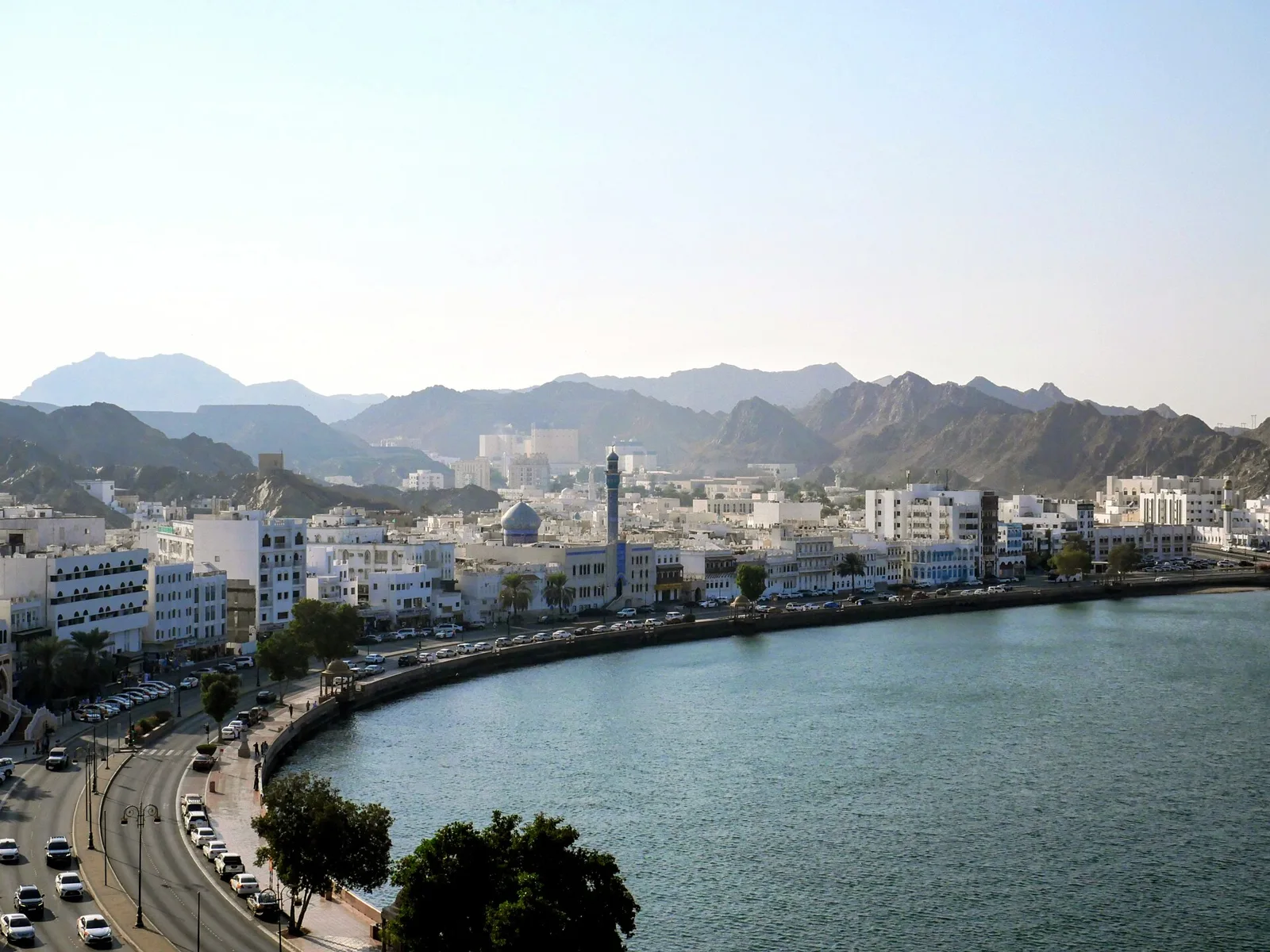
*Cover photograph: Dr. Thomas Liptak / Wikimedia Commons, CC BY-SA 4.0. Contextual image of Oman.*
Sources and verification
- Government research visa servicegov.omSeparate source-check date not recorded
- ROP research visa requirements Arabicrop.gov.omSeparate source-check date not recorded
- UTAS researcher facilitationgov.omSeparate source-check date not recorded
These are the sources cited for this article. Last article update: 8 Nov 2026. Requirements can change and depend on your nationality and circumstances. This article is general information, not a personal eligibility assessment.
Independent, AI-assisted guidance.Read moreRead less
Use this guide to prepare, then confirm the rules with the responsible authority.
- Last verified against all cited sources
- Not recorded
- Named immigration-expert review
- Not recorded · Who produces this guide
An article update date is not a source-verification date. A source check is not a guarantee of eligibility or future accuracy.