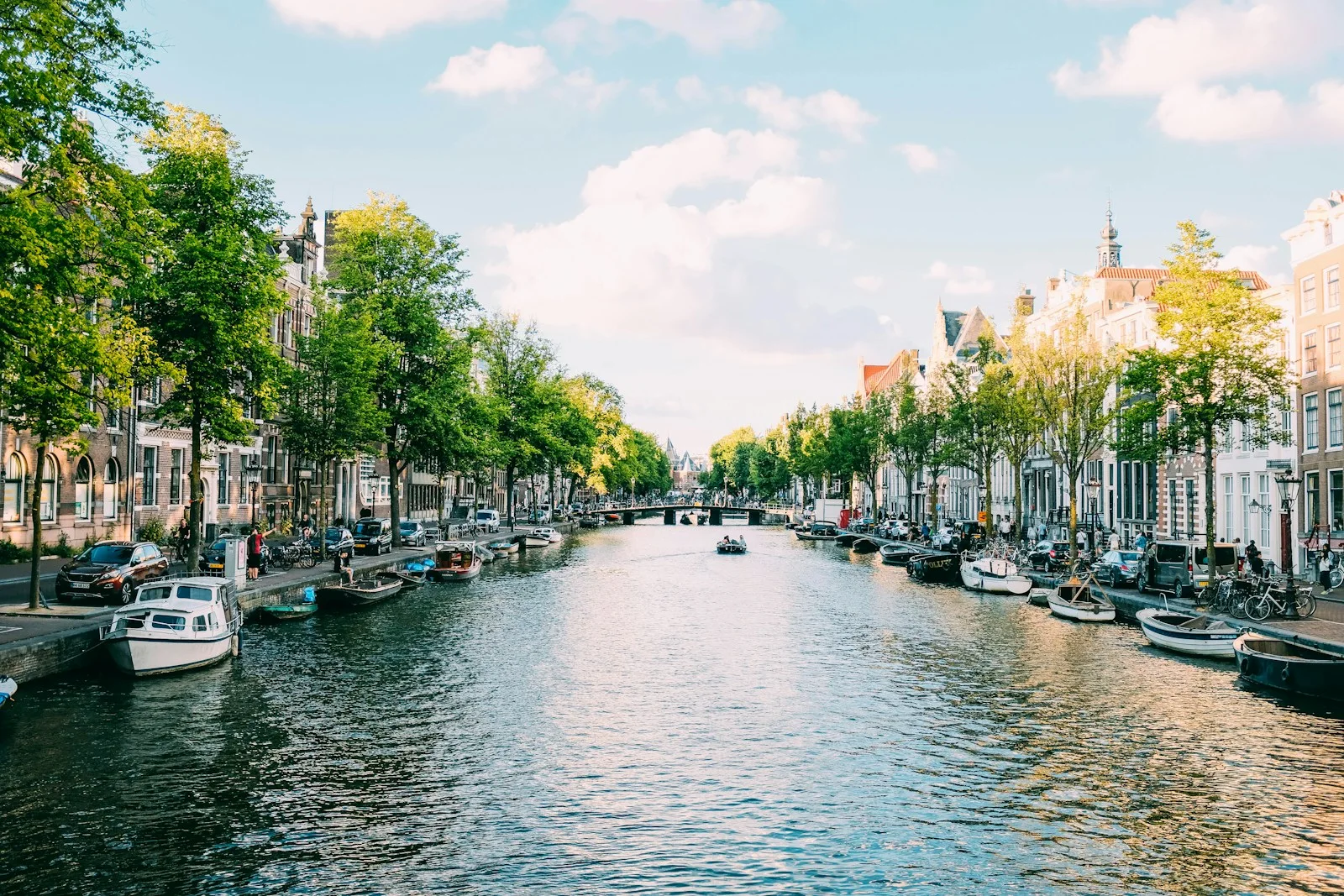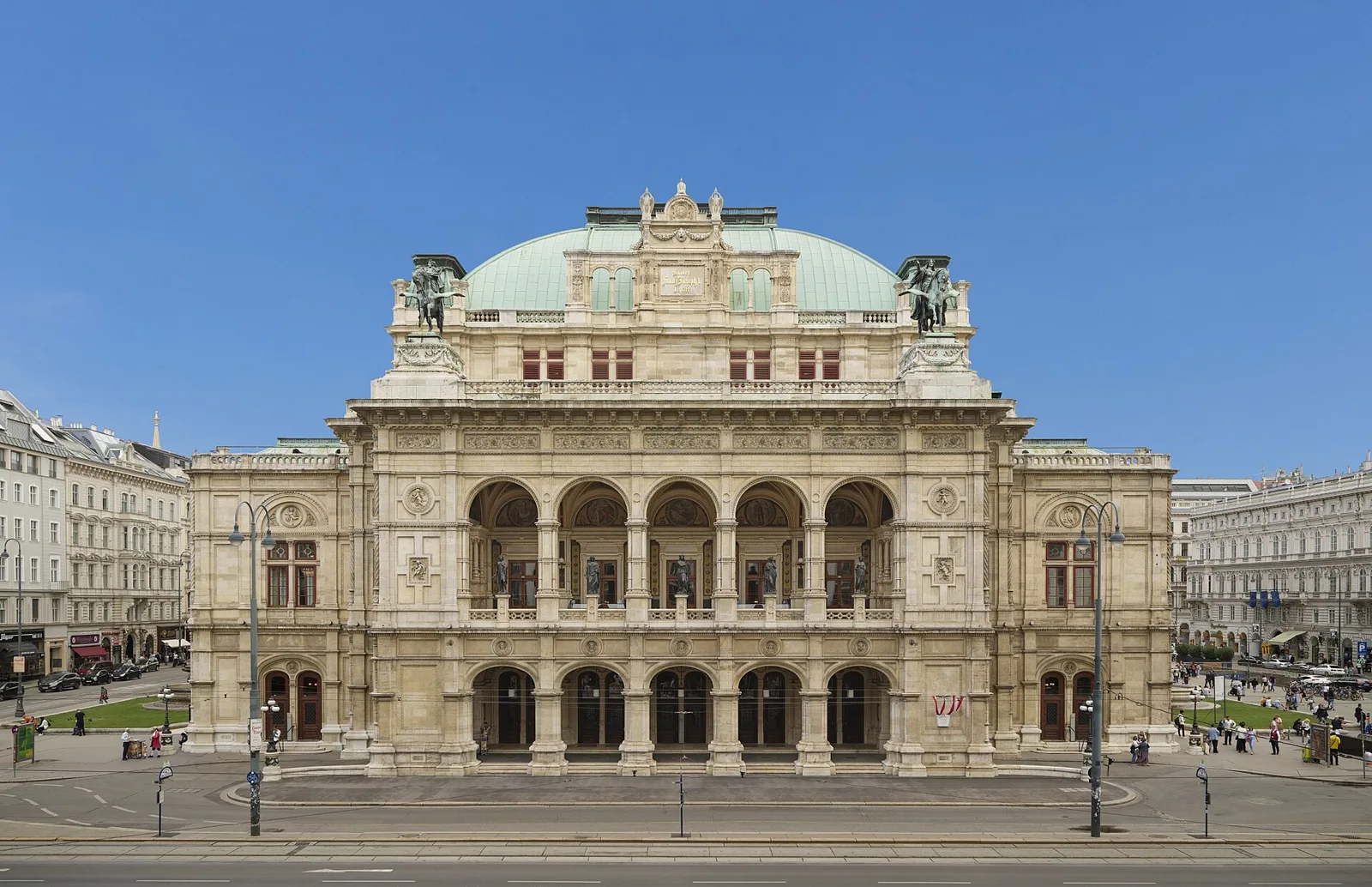
If you hold a Philippine passport, you need a Schengen short-stay visa for any trip to Europe's border-free zone, and in practice you will lodge it at a VFS Global office in Metro Manila or Cebu rather than at an embassy counter. Which embassy your file goes to depends on where you will spend most of your nights, not on which centre has the earliest slot. Below is what Filipino applicants should know about the two busiest routes, Germany and the Netherlands, and the paperwork that most often causes delays.
How applications are collected in the Philippines
Most Schengen embassies in Manila hand the front-office work to an outside company, while the visa decision stays with the diplomats. For the two countries we checked tonight, that company is VFS Global.
- Germany: the German Embassy in Manila says Schengen applications must be lodged in person at VFS Global in Manila or Cebu, after you have booked a slot through the VFS booking page for Germany. Residents of Papua New Guinea use a VFS office in Port Moresby and are told to apply at least 30 days ahead because papers travel by courier.
- Netherlands: Netherlands Worldwide sends Philippine residents to VFS Global in Makati or Cebu. The same centre also takes applications for Latvia, which the Netherlands represents locally.
- Everyone else: France, Italy, Spain and the rest set their own arrangements. Open the visa page of the embassy for your main destination and follow the provider link from there.
The Dutch page also notes that a relative or friend may hand in your file for you only in limited cases, for example if your fingerprints were taken for a Schengen visa within the previous 59 months, and they must bring a signed authorisation.
Picking the right embassy
Count your nights. If one country gets the most, that embassy is competent. If two countries tie, the first one you enter wins. A single-country trip is straightforward. Filipino families often visit relatives in one country and add a weekend elsewhere; that still points to the relatives' country, provided the hotel and invitation evidence back it up.
Do not reshape a trip around whichever embassy seems to have spare appointments. Consulates compare your bookings with the form, and a mismatch reads as an unreliable itinerary.
Paperwork that trips up Filipino applicants
The German Embassy warns that an incomplete file may be decided on whatever you submitted, which can mean a refusal rather than a request for more papers. These are the items that most often need extra care:
- Certificate of employment that states your position, salary, start date and approved leave, signed by HR on letterhead
- Income tax return or, for self-employed applicants, DTI or SEC registration and business permit
- Personal bank statements or a bank certificate showing a steady balance; a sudden large deposit just before applying invites questions
- PSA-issued birth or marriage certificates when you are visiting a spouse, parent or child, so the relationship can be checked
- An invitation letter and a copy of the host's residence permit or passport if you will stay with family
- Travel medical insurance valid across the Schengen area; German missions elsewhere specify a minimum of €30,000 cover
Book refundable hotel and flight reservations rather than paid tickets until a decision arrives.
What you will pay
The German Embassy in Manila lists the visa fee as €90, charged in Philippine pesos, with €45 for children aged 6 to 11 and waivers for some categories such as spouses and minor children of German or EU citizens. VFS Global adds its own service charge on top, which the Dutch government confirms always applies. Both are generally non-refundable if the answer is no. The German Embassy puts processing at approximately 15 calendar days from the day you apply, and appointment waits come on top of that in busy months.
The EU-wide rules in brief
The European Commission sets the standard fee at €90 for adults and €45 for children aged 6 to 12, allows applications from six months up to 15 days before travel, and gives consulates 15 days to decide, extendable to 45. A short-stay visa allows no more than 90 days in any 180-day period across all Schengen states. Since 10 April 2026 the Entry/Exit System records each crossing with fingerprints and a facial image. A refused applicant must be told the reasons and how to appeal; the deadline is set by the refusing state and printed on the notice.
Recruitment scams dressed up as tourism
The biggest risk for Filipino travellers is not a fake visa centre but a fake job. Recruiters sometimes promise work in Europe that "starts" on a tourist visa, collect placement fees, and leave the traveller without any legal right to work. A Schengen visitor visa never allows employment, and a genuine overseas job is processed as a work visa, not a holiday.
Other warning signs:
- Someone offering to "sponsor" bank balances or supply an employment certificate from a company you have never worked for
- Facebook pages selling VFS appointment slots
- Anyone who says they can reverse a refusal through a contact at the embassy
The Dutch government asks applicants to book their own appointment and not to use an intermediary. Expect immigration officers at Philippine airports to ask about the purpose of your trip, so carry copies of the same documents you gave the embassy.
Checklist for Filipino travellers
- Decide the main destination by counting nights
- Open that embassy's visa page and follow its provider link
- Book the VFS slot yourself and attend in person
- Bring HR-signed employment proof and PSA documents where relevant
- Keep copies of everything for the departure interview at NAIA or Mactan-Cebu
Official sources
- European Commission (Migration and Home Affairs): Applying for a Schengen visa
- German Embassy Manila: Schengen visa information
- Netherlands Worldwide: Applying for a Schengen visa in the Philippines
- European Commission (Migration and Home Affairs): Schengen border crossing and EES
Sources reviewed on 22 Oct 2026. Requirements can change and depend on your nationality and circumstances. This article is general information, not a personal eligibility assessment.